Table of Contents
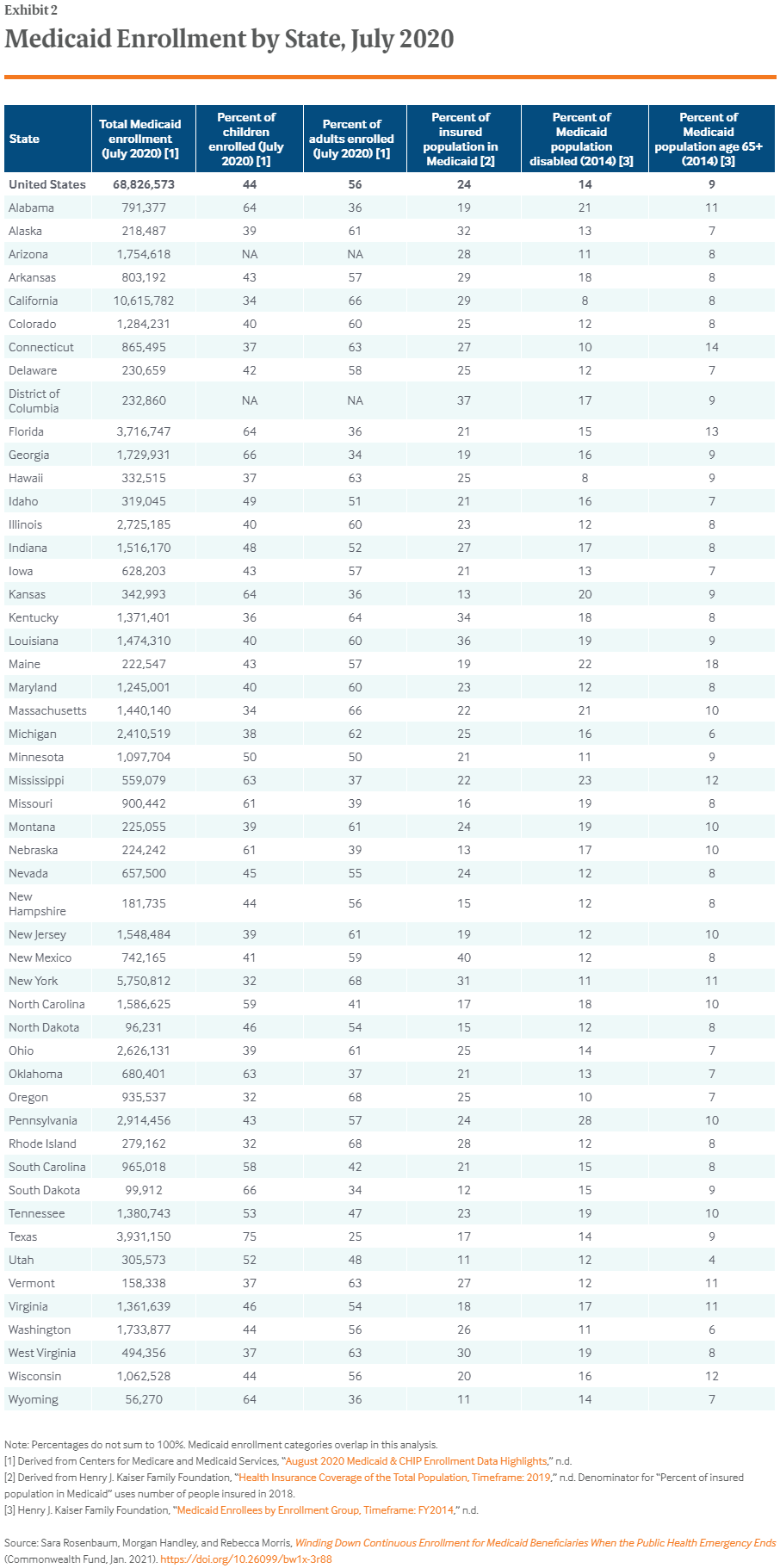
- Winding Down Medicaid Enrollment When Health Emergency Ends ...
- A Guide to Medicare Benefits - Caring.com
- CENTERS FOR MEDICARE AND MEDICAID SERVICES: CMS Proposes Rule Change to ...
- CMS’s 2020 Final Medicaid Managed Care Rule: A Summary of Major Changes ...
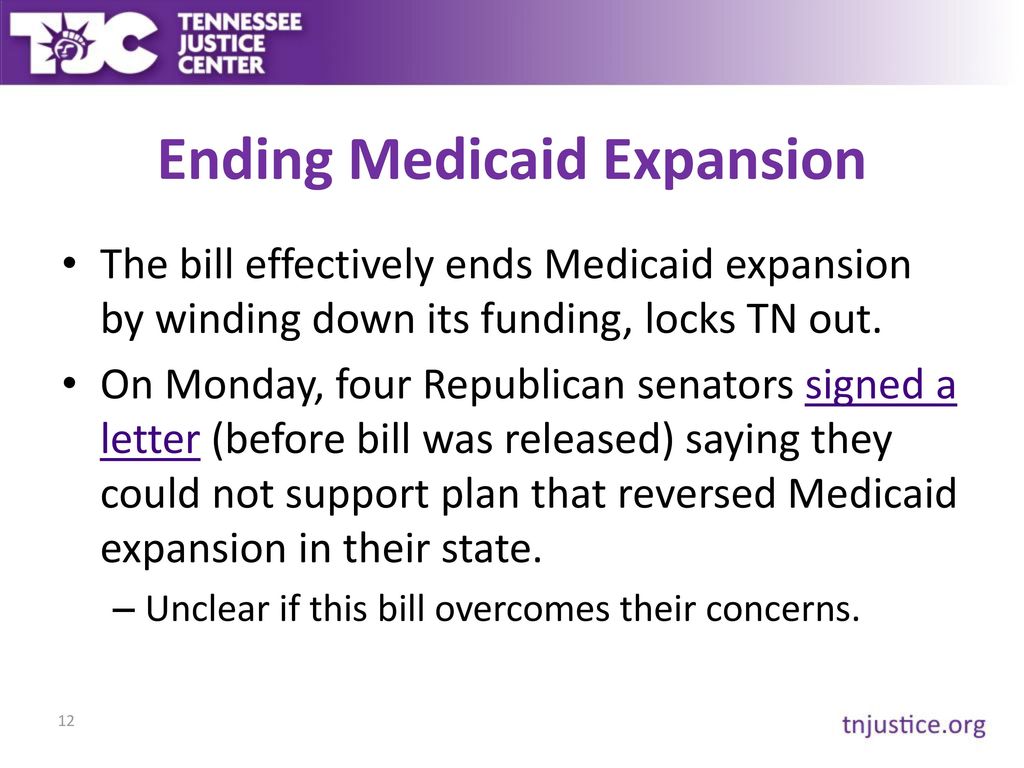
- Gordon Bonnyman Tennessee Justice Center March 6, ppt download
- CMS Ends ET3 Alternative Payment Model 2 Years Early | HealthLeaders Media
- The Medicare Advantage Payment Cycle: Opportunities & Obligations ...
- Five answers as CMS ends another year - EducationNC
- CENTER FOR MEDICARE AND MEDICAID SERVICES: CMS Announces Agency’s First ...
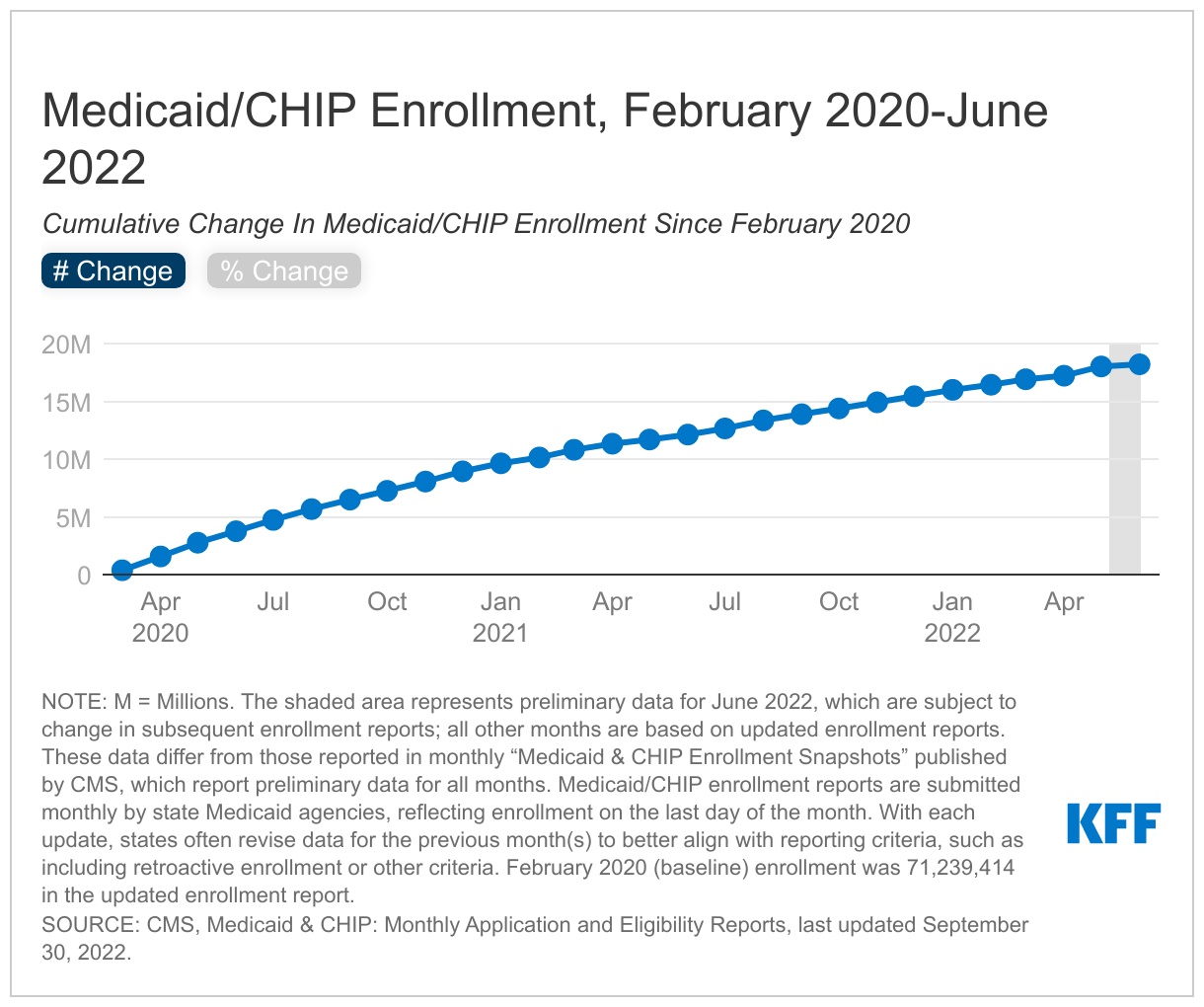
- 10 Things to Know About the Unwinding of the Medicaid Continuous ...

Understanding DSHPs and DSIPs



Impact of CMS Decision


What Does This Mean for Individuals with Disabilities?
The end of federal funding for DSHPs and DSIPs raises concerns about the future of disability services. Individuals with disabilities may face reduced access to essential services, including medical care, therapy, and support with daily living activities. This could lead to a decline in health outcomes, increased hospitalization rates, and a decrease in overall quality of life. Furthermore, the decision may exacerbate existing healthcare disparities and create new challenges for individuals with disabilities, their families, and caregivers.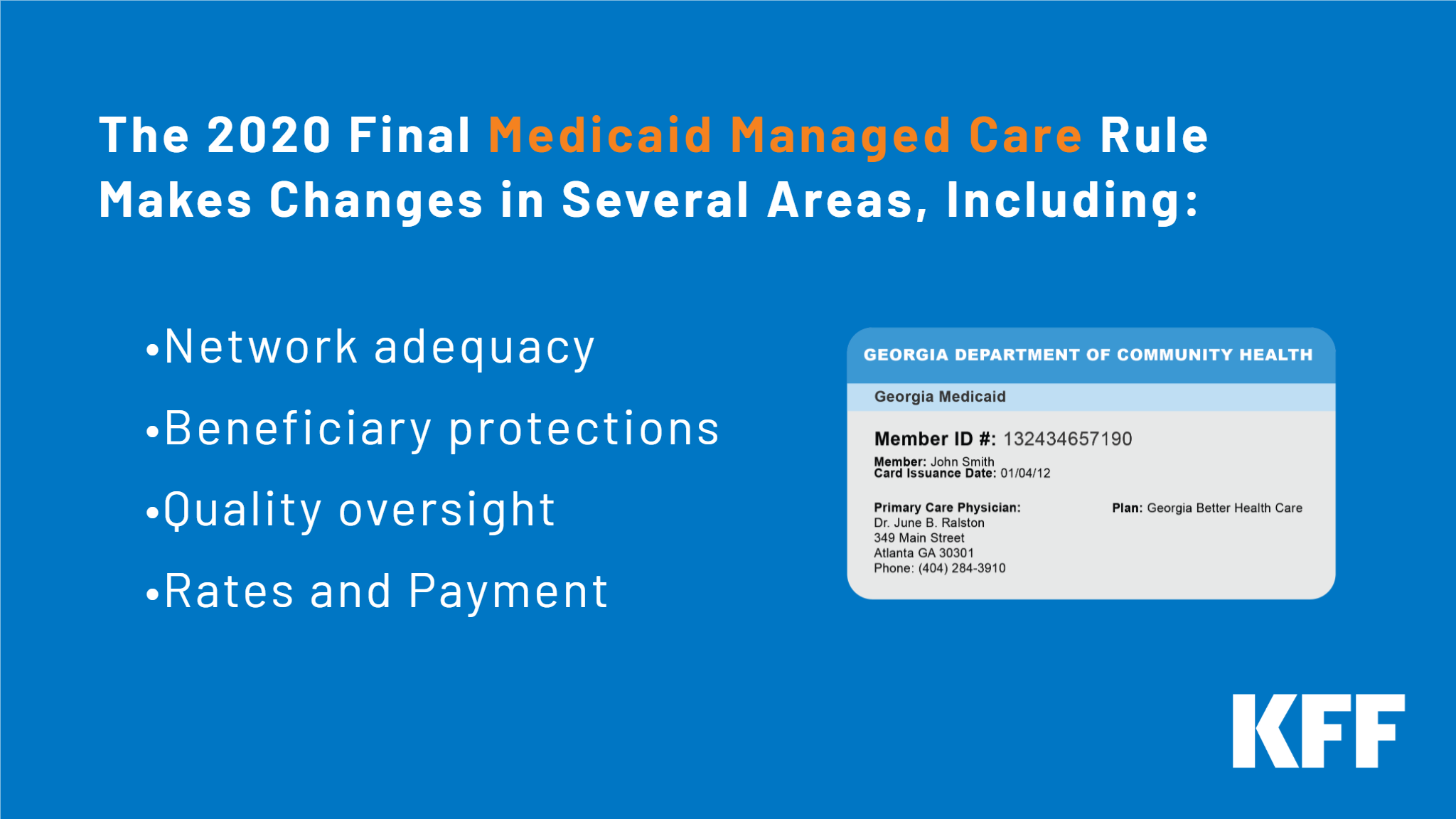
State Responses and Future Directions
In response to the CMS decision, states are exploring alternative funding sources and strategies to maintain essential services for individuals with disabilities. Some states may consider increasing state funding, seeking private funding, or implementing cost-saving measures to mitigate the impact of the decision. Additionally, states may need to reassess their Medicaid waiver programs and explore new ways to provide services to individuals with disabilities. The end of federal funding for state Medicaid DSHPs and DSIPs marks a significant shift in the healthcare landscape. While the decision presents challenges, it also creates opportunities for states to innovate and explore new approaches to delivering disability services. As the healthcare community navigates this change, it is essential to prioritize the needs of individuals with disabilities and ensure that they continue to receive the support and services they require to thrive. By working together, we can ensure that individuals with disabilities have access to the care and resources they need to live fulfilling and independent lives.Keywords: CMS, Medicaid, DSHPs, DSIPs, disability services, healthcare, state funding, federal funding